The Hair-Raising Garden Hijinks of a Colorado Transplant

Updated: Jun 25, 2024

Right around the time our garden hit its stride in late June, I started rooting around the Internet for local gardening blogs that would help me understand the many idiosyncrasies of Denver-area gardening so that I could learn how to gracefully adapt to the geography, climate, and weather variables in our area.
Unlike my first home on southern Alabama’s coastal plain, our Englewood, Colorado, property sits at 5,371 feet above sea level and is a 15-minute drive to the Rocky Mountain foothills. We live in the vortex of extreme High Plains weather conditions (think the occasional golf-ball-sized hail during prime garden time), and in early fall through late spring, we face intense cold fronts galloping down from the Rockies and turning a 70-degree F day into a rip-roaring 30-degree F night, replete with arctic winds and winter weather conditions. The following photos are taken on the same days, just hours apart.

What’s a temperate climate gardening gal to do when faced with inhospitable growing conditions? Never one to be cowed by adversity, I decided I should get cracking on this whole Colorado “master gardener” thing.
While I had cobbled together great advice from several sites this summer, I was still jonesing for a go-to online resource that was not only directly applicable to my random needs as a Colorado transplant gardener but that was also written in a way that would help me and other gardening newbies believe we could actually achieve something obscene–foster a kick-ass water-wise garden in a land of persistent drought. It was a tall order, but I slipped on my garden gloves and set to work applying some of the skills I’ve acquired from other Colorado gardening endeavors.
Where The Transplant's Colorado Garden Journey Began.
My husband Cameron and I began our Colorado garden education in 2012 when we lived in a neighborhood with a community garden that rents plots for people who don’t have personal space to grow their own food. (If you’re new to Denver and live in an apartment but want to grow food, check out Denver Urban Gardens for community garden options in your neighborhood.) We picked up some great tips on how to work with Denver’s hard-as-hell clay soil and how to adapt our gardening to account for sunlight intensity and dry winds when growing plants a mile above sea level.
First Attempts at Backyard Garden Gives Colorado Transplant a Rage Complex.
In 2015, we were established Englewood homeowners ready to get our own backyard garden off the ground. Literally.
We’d updated an old raised bed, started building additional raised beds, and were rocking the “It’s okay that you can’t plant anything outside here until Memorial Day” philosophy when the perfect storm of extreme hail and a local Insane Squirrel Posse descended upon our neighborhood, ravaging our delicate vegetable and tomato transplants.
I definitely cried at the sight of all that weekend work destroyed on the whim of weather and rifling rodent paws. I may have even concocted elaborate squirrel assassination plans while eyeballing our garden beds for any signs of green life. Three months pregnant at the time, I had no patience for assertive squirrels or unwieldy weather. I threw in the towel soon after and vowed to take no enemies the following summer when I gardened again.
The Colorado Transplant Becomes a Parent and Questions Garden Commitment.
The thing about parenting an infant is that they have a habit of consuming every minute of the day, and most of the night if you happen to be gifted with a baby that likes to wake every few hours for the first year of life. Colorado Transplant Garden Goddess 2016 was inevitably put on hold while I managed to keep a human alive and most of my brain intact.
The Colorado Transplant Finds Her Footing as a Local Gardener.
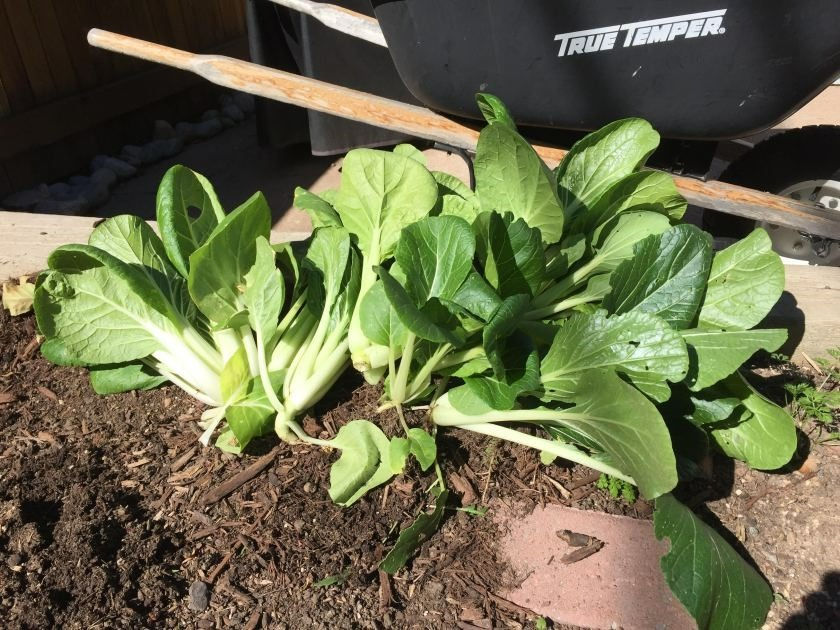
Enter summer 2017. After filing away Colorado gardening techniques for six years and strategically planning garden work while the little one napped, Cameron and I managed to cultivate a garden teeming with leafy greens, cabbage, carrots, snow peas, green beans, lettuce mix, arugula, carrots, tomatoes, basil, zucchini, pumpkins, and cucumbers. Our best haul yet, and all it took was consistency, patience, and a willingness to troubleshoot and adapt to obstacles.
We managed to save our fall carrot and bean bed and a patch of lettuce from the snow and frigid temperatures the last two nights, but there’s little doubt that this year’s garden is ready for bed. And while it might seem odd that a Coloradan is launching a gardening site after all the harvest fireworks for the year are fizzled, I’m hoping that readers will come along with me this winter as I research and strategically plan next year’s foray into cultivating food and flowers along the Front Range.
In the coming months, stay tuned for specific information from Furrow & Trowel on garden and landscape planning in our region, relevant book and product reviews, food preservation techniques, and other useful place-based topics that will help our gardens grow.


