Make the Most of Colorado’s Short Growing Season With Garden Planning

Colorado gardeners face a combination of challenges when it comes to caring for outdoor plants. Every year we gear up for unpredictable extreme weather like May and September snowstorms and destructive hail storms from April through September. (If you’re not from around these parts, April-September is pretty much the entire growing season here.) When the skies are clear, we’re adapting our gardening strategies to account for intense high-altitude sunlight, summer drought, wildfire smoke, and dry afternoon winds that kick up exposed soil and suck moisture from plant leaves. It’s a wonder we’re able to grow anything beyond the native perennials adapted to the harsh climate here.
But Colorado gardeners are a persistent crew. In the years I’ve grown food and flowers in the Denver-metro area, I’ve followed fellow high-altitude gardeners on Instagram to gather advice and best practices for keeping plants alive and well in the Centennial State. This blog experiment has been a way for me to take what I’ve learned about Colorado gardening challenges from peers and personal experience and turn them into opportunities to help myself and others thrive in our unique growing conditions.
From managing hail and pests to getting a head start on growing outdoor plants through indoor seed starting and creating season extenders like cold frames, much of my Colorado gardening education have been lessons on adaptive strategies to avoid garden woes. While I’ve maximized my garden space through the creative practice of interplanting crops, until this year I didn’t focus energy on successively sowing seeds during a growing season to increase the overall harvest for specific produce.
In a short-season region where I often feel like there’s little room for error when it comes to what I try to grow each year, I was more concerned with figuring out how to get a simple garden plan from start to finish than tracking when to start sowing more seeds or seedlings varieties after an initial sowing. Outdoor succession planting seemed an agricultural practice for temperate climate gardeners and farmers who had many months to replant crops. But with a little planning this spring, I’ve been exploring succession planting and am loving the results so far.
Succession planting is simple; you should try it this year.
Succession planting — the act of seeding (or transplanting) crops every seven to 21 days for a consistent harvest throughout the growing season — not only increases how much food you can grow during a short growing season; it also allows small-space gardeners to maximize the growing area they’ve created. Since I’m both a short-season and small-space gardener, succession planting is a no-brainer for me. It offers a steady stream of produce throughout the summer, which means more opportunities to preserve the gifts of the garden for use during the cold winter months.
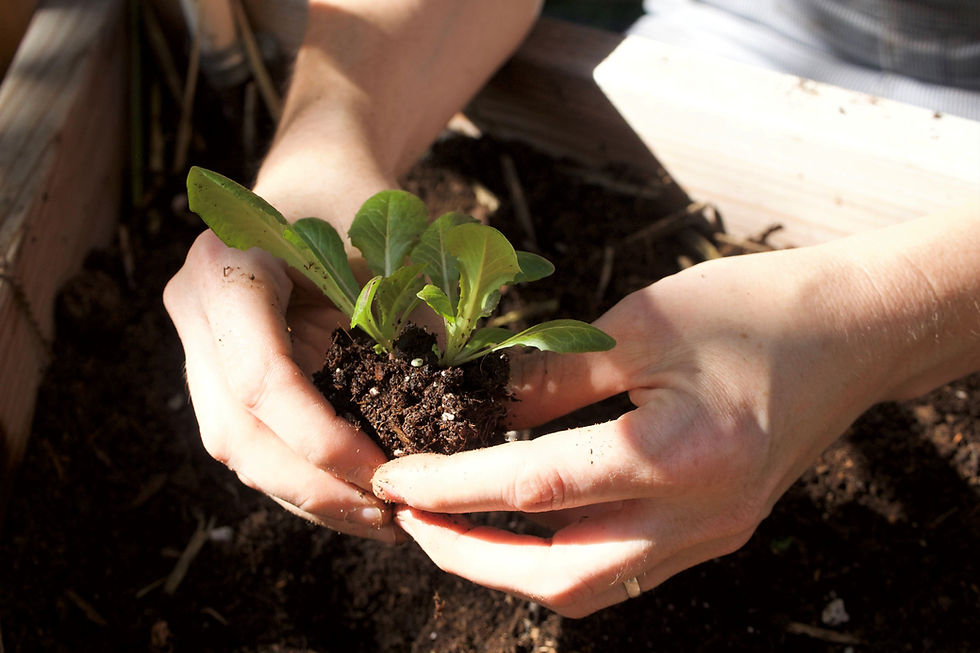
While lower altitude gardeners have a longer growing season and even more flexibility on what seeds they can successively sow, if you live where the growing season is short, I recommend seeds for fast-maturing crops for succession planting. This year I’ve been successively sowing and transplanting indoor seed starts like basil, salad leaf lettuces, spinach, cilantro, radishes, golden beets, carrots, and bok choy.
What to Consider When Succession Planting Crops
Many of the fast-maturing crops that I grow in Colorado fall into the cool-season category, meaning they don’t like average daily temperatures above 75 degrees Fahrenheit. That should be a problem right now because we have been locked in a brain-melting heat wave the past two weeks with daily temperatures soaring into 90s, but somehow these crops have been doing fine in my garden so far. The secret to my success? I’ve cultivated cool-season microclimate conditions that help the plants thrive.
To keep these mostly cool-season crops happy during peak summer heat, I sow them in partial shade and interplant them with taller plants that can provide shade from the scorching sun. I also lay down plenty of straw for mulch, which not only acts as a weed barrier and insulating material but also helps retain moisture and keep the soil cooler than if directly exposed to the sun and warm, dry winds.
Beyond embracing the microclimate angle, remember to tend the soil where your plants are growing. Plants need healthy, nutrient-rich soil to thrive. When increasing food production in a garden through succession planting, you’ll likely need to add compost to the growing area for each sowing to account for the loss of soil nutrients. I also try to rotate where I am succession planting similar plant varieties to allow different crop types to pull different nutrients from the soil and to mitigate pest issues. Regardless of what I’m sowing, thought, as soon as I’ve transplanted starts or the seedlings appear, I mulch around them well to help retain water so the microorganisms living and working in the soil won’t struggle because of parched, hot conditions.
Create a plan for your bigger harvest.
You’ll have more produce to enjoy, and you don’t want to miss your window on eating or saving for later because you feel overwhelmed by abundance. Create a plan for how you’d like to use and preserve your increased harvest throughout the summer. Bookmark recipes and preservation ideas now (and reach out because I love brainstorming ways to use seasonal fruits and vegetables!), and make a note of friends or charitable organizations that would appreciate fresh-from-the-garden goodness if you grow more than you need or plan to use.
Most important, remember that you have nothing to lose by trying succession planting if you’re a small-space gardener in Colorado. There are bound to be seeds rattling around in torn seed packets that you didn’t have space to sow earlier in the first round. Why not give those little receptacles of life a chance to work their magic this year?
Most seed companies mail annual catalogues in November or December for the next year’s growing season and simultaneously publish their catalogs online for a fast ordering process. With limited time to visit brick and mortar garden shops for leisurely garden planning, I’m grateful for the ability to decide on seed selection at home and tend to request paper catalogs for reading, planning, and marking up before visiting a seed company’s website to place orders. If you prefer a paperless consumer process, you can usually peruse most seed companies’ extensive inventory online and circumvent paper waste guilt.
I've successfully grown food from a wide variety of conventional, organic, and organic/heirloom/rare seeds purchased at hardware stores, local garden shops, and via the internet. It’s true that non-GMO organic and heirloom/rare seeds do cost more than conventional seeds like those mostly on offer at companies like Burpee, but since we grow food on such a small scale, I prefer to buy organic and heirloom/rare seeds when I can because I like supporting organic agricultural practices.
If you’re excited about eating fruit and vegetable varieties that are hard to find at most grocery stores, heirloom and rare seeds are the way to go to broaden your palate. For folks interested in great companies with ample seed options, I've had Colorado gardening success with seeds purchased from Colorado-based Botanical Interests and Missouri-based Baker Creek Rare Seeds. We also often pick up last-minute Botanical Interests seeds from Tagawa Gardens and Sprouts Grocery.
Before making impulse buys, reflect on garden goals.
After you receive your seed catalogs, spend some time thinking through what you’d like to grow and why. Since I also experiment with recipes and write about made-from-scratch food, I'm always interested in experimenting with new ingredients. This time of year, I think about the kind of fresh produce I’d like to cook with and preserve for late fall, winter, and spring meals. I’ve also become fascinated with fermented foods, particularly sauces and condiments, and with canning. Every winter, I start thinking about additional fruits and vegetables I can grow in the garden and use in fermenting and canning recipes. Now is also a great time to consider where to grow food on your property and what types of fruit and vegetables will grow best in those locations. I live in a city with a small backyard. Like anyone who has ever tried to grow food in Denver soil, you'll have much less frustration if you grow your food in raised beds and large containers. We have three rectangular raised beds, one large square raised bed, one smaller partly shaded rectangular plot with amended soil in our yard, and a keyhole-shaped large raised bed. We also have several wooden barrel planters, ten 1o-gallon buckets for container growing, three galvanized troughs, and a variety of large pots.
Pick seeds that love your growing region.
If you're new to gardening and don't want to mess with climate control modifications like cold frames and consistent row covers, pick seed varieties with the shortest date to maturity. In Colorado, that means you'll be able to plant after our last frost date (late May or early June) and still reap a good harvest before cold weather makes it appearance in September.
Make a garden plan that allows you to adapt or accept defeat with grace and humor.
Finally, while imagining all that you want to accomplish with your garden this year, keep perspective. Try not to be too hard on yourself if all that you dream of growing and preserving this year doesn’t work out as planned. I have a full-time job, a kid, and a few side projects outside of gardening and have a tendency to always plan for more than I can realistically accomplish.
With gardening, as with other parts of my life, I’ve learned that things rarely work out as planned. Annoying, I know, but I’ve also started making peace with this truth and am embracing that these twists and turns and seeming failures often offer opportunities I wouldn’t have envisioned otherwise.
This month, dream a little garden dream, and consider test driving a new year’s resolution akin to my own: Be kind to yourself, and stay open to what the world can teach you.


