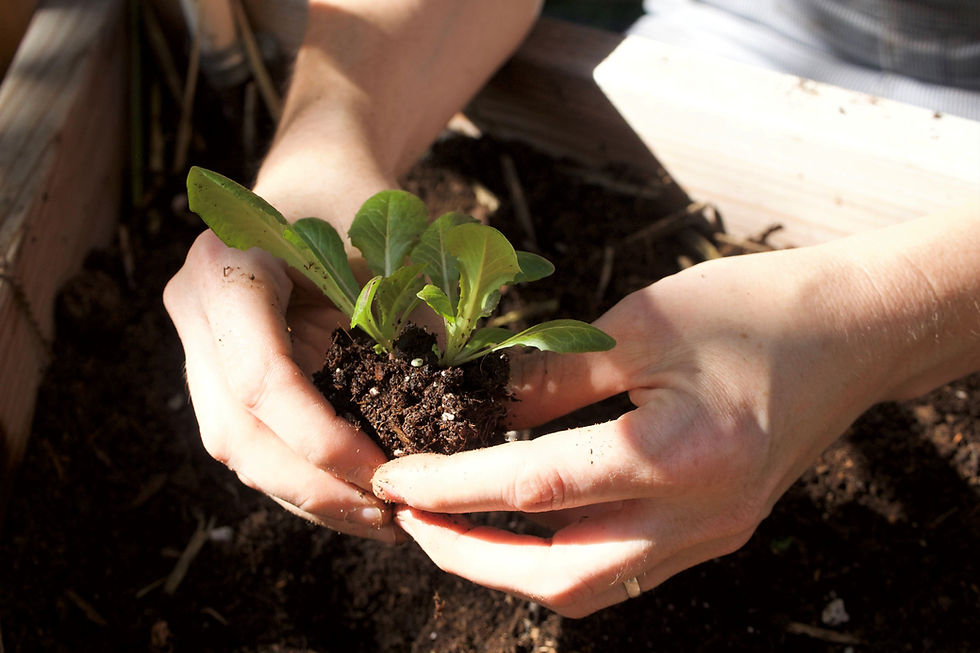
Favorite Perennials in My Colorado Garden


Before we bought our home in Englewood, I never considered the value that perennial plants add to a landscape. Herbaceous perennials grew on the land my parents’ tended in Alabama, but because plant life abounds in that climate, flowering annuals easily reseeded and became permanent fixtures in the garden beds there. When the perennials leafed out each season, I did not recognize their differences from annuals.
My nomadic young adult years also steered me away from learning about perennial gardening. I could invest more easily in food-bearing annuals because I saw the literal fruits of my labor within one growing season and didn’t leave behind plants to tend if I picked up and moved later in the year.
You don’t need to own a piece of land to make a go at gardening with perennial plants, but if you’re like me and become emotionally invested in the life of your plants, knowing that you can watch them grow and fill out their space in their home makes it easier to invest in the planning you’ll undertake to cultivate a garden with perennials.
Those new to perennial plants may balk at the higher price tag for these plants than for their showy annual friends. I sure did. Every time I make a perennial plant purchase now, I remind myself I’m making an investment in the future of the garden and our landscape architecture. Many of our perennials are still thriving seven years after their initial planting because they either set seed for the next generation or produced offspring at some point in their life cycle.
Here are perennial (and a couple biennial!) favorites that have thrived in our Colorado Zone 5b growing conditions.

Blue Flax
Blue flax is a full-sun perennial that does well in our dry, Colorado climate. It grows in clumps. I currently have a few taller varieties grouped with a few shorter varieties in our beds. The small blue-purple blossoms and reedy stems offer a prairie wildflower feel to our garden, and they’ve thrived in morning sunshine and late afternoon shade. Blue flax will continually bloom throughout the summer, and I’m planning to direct sow more seeds next spring as well as experiment with indoor seed starting.

Catmint
This gorgeous purple-blue perennial is a wonderful addition to a pollinator friendly garden because it attracts so many bees! I planted a few in a group, and after a year of getting established, they now have filled in their space and offer a soft purple sheen to the garden.
Catmint is one of my favorite, low-maintenance, drought-tolerant plants that will bloom throughout the growing season here. Highly recommended for first-time perennial gardeners.
Be aware, though, that once established, it will spread, so plan to grow in a space where you're fine with with that growth pattern.

Yarrow
We added golden yarrow to our garden a few years ago. It grows a few feet high and needs little maintenance after getting established. Last year, I started a Colorado Yarrow Mix from Baker Creek Seeds, and they took off when I transplanted them into the garden. The Colorado variety has more fern-like leaves, and its blossoms are a variety of white, pink, red, and yellow.
Grasshoppers love living in the lush leaves, though, so keep that in mind if your yard is already teeming with grasshoppers.

Lupine
Lupines are a long-time love for me. When I saw them blooming near Mt. St. Helens years ago, their large, cone-like flowers against that seemingly desolate landscape captured my aesthetic sensibility.
I filed that moment away and decided a few years ago to try my hand at growing lupines from seed in our garden. It was quite the undertaking, but this year I have a few lupines growing. One, in particular, is thriving next to hollyhocks and is opening its blossom right now. I have seen established varieties for sale at garden stores in our area, so I may buy some next year to have a larger grouping in the yard.

Hollyhock
I first noticed hollyhocks when traveling in England several years ago during the summer. Tall, regal stems lined with large blossoms, I fell in love with them and started some from seed in our garden a few years ago.
I thought they were perennials, but hollyhocks actually fall into the biennial category. After two years, the original plant died, but its offspring continue to grace a fenced corner of our yard where they get protection from the wind and direct morning sun and afternoon shade from the neighbor’s trees. While they are supposed to spread easily, so far they have stayed in the same area.
Salvia
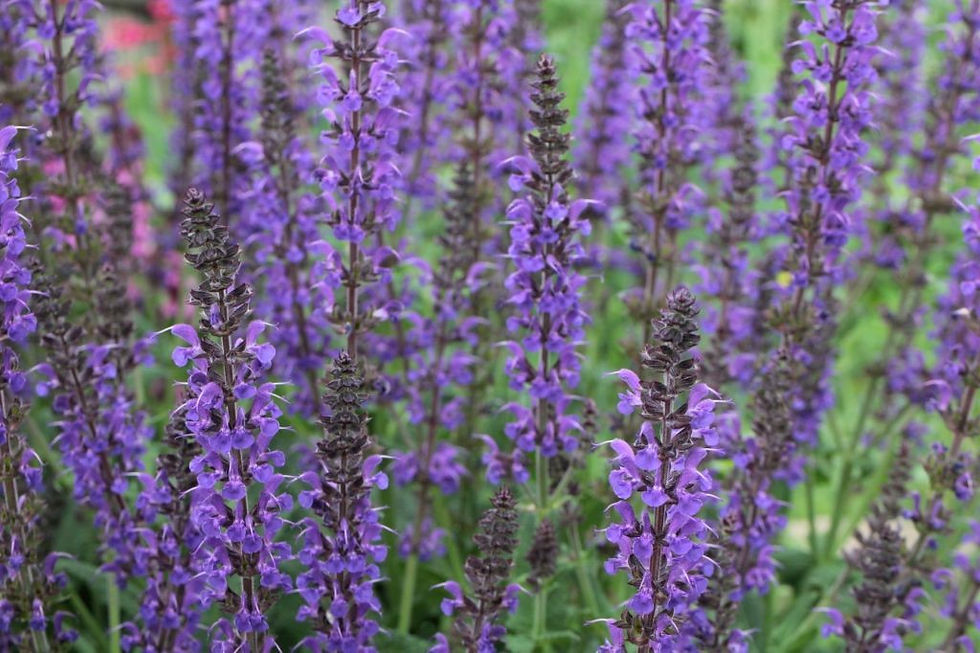
Flowering salvia is one of the first perennials to unfurl its gorgeous blossoms in late May. It was one of the first perennials we tried in our garden, and it is a bee magnet. If you live in Colorado, look for ones that can withstand our Zone 5b growing conditions, including specific varieties that thrive in extreme drought and heat.
So far, we’ve grown purple and pink varieties, and they look great grown together and among other perennials and annuals because they die back in the dead of summer when the other plants hit their stride. You can see them in full flush with other plantings in the featured image at the top of this post.
Prickly Pear
Our front lawn was a hot mess when we bought our Englewood property in 2013. A portion of the lawn was shaded by two large ash trees long ago planted in the city’s hell strip, so we didn’t know how unhealthy the entire lawn was until the city removed the trees in 2018.
That summer, the intense Colorado sun baked the front yard. It was clear that the powdery soil hosted very little microbial life. Grubs flourished in that sickly habitat, but not much else.
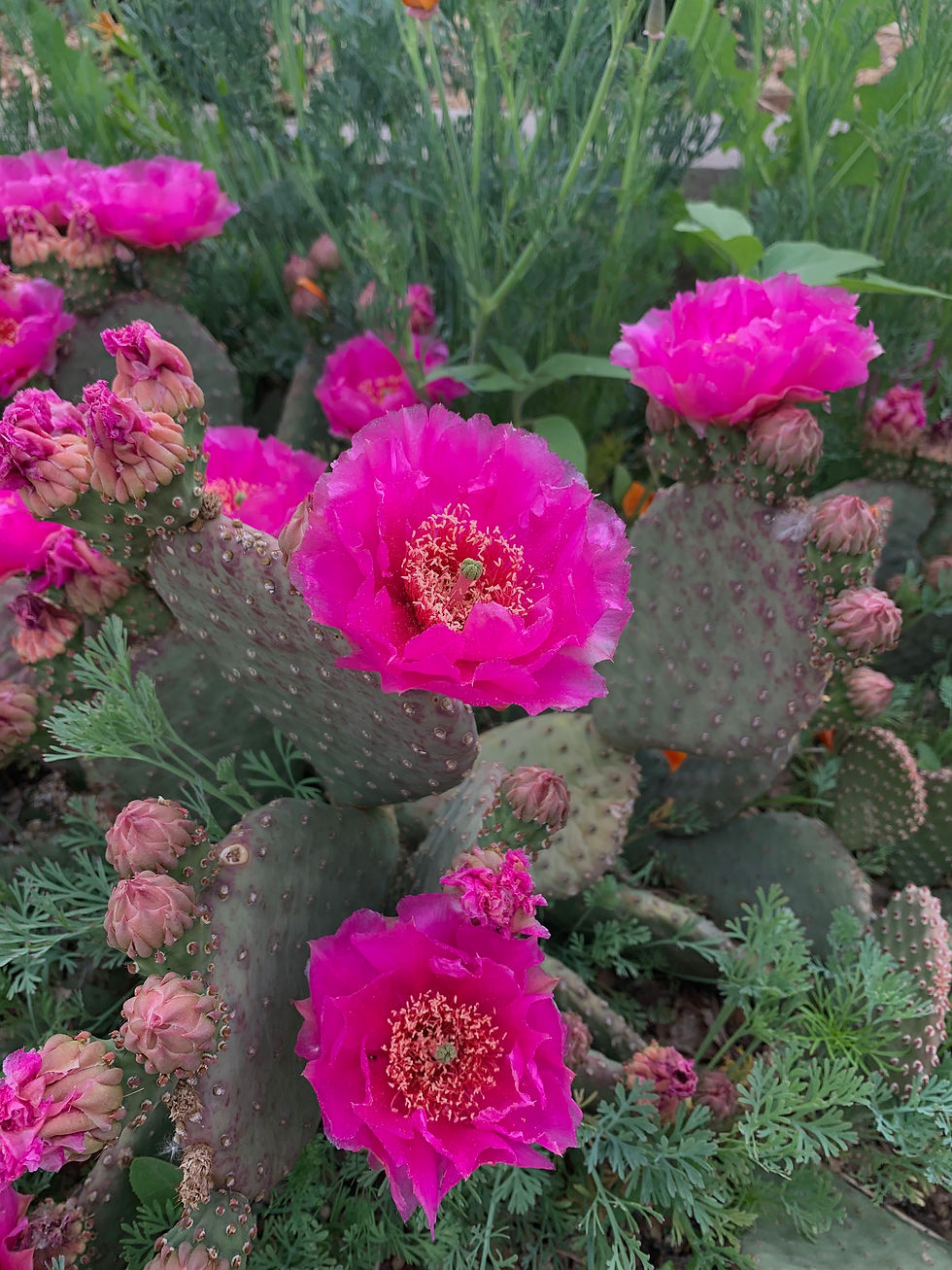
We embraced the sunlight and worked to heal the soil by removing the scraggly yellowish grass, integrating plenty of organic compost, and xeriscaping the front border of our yard with heat-loving cacti like hearty Zone 5 prickly pear, sedums, and hen and chicks.
Adding a gravel mulch holds in moisture, reduces weed incursion, and eliminates soil displacement that happens here during our driest, hot months when the winds kick up in the afternoon. Besides the nice architectural element of prickly pear, we enjoy the gorgeous electric pink blossoms that open in late June.

Sedums
There are apparently hundreds of varieties of sedums. I selected Zone 5b friendly varieties that would spread along the soil’s surface to create a desert carpet groundcover. Like the prickly pear cacti, sedums are incredibly low maintenance, love intense sunshine, and only need occasional deep watering once established. If you’re aiming for a xeriscape garden that offers a desert vibe, you can’t go wrong with adding these to your space.

Sempervivems, aka Hen and Chicks
There are also apparently thousands of varieties of sempervivems (commonly known as hen and chicks). These succulents have waxy, tough leaves and are also very low-maintenance.
I'm a fan of cacti and succulents and appreciate the alien-like stalk that shoots up from the plant and is lined with buds that burst into bloom each year. While the mother hen will die back after flowering, its chick offspring will take over and continue spreading across the ground.
These are not fast growing compared to other perennials, so space according to their needs and allow them time to expand into a vibrant carpet over the years.
Perennial Planting Considerations
Depending on the weather forecast, I start planting perennials in the garden in mid-May, but June is an ideal time to add perennials to the Colorado garden. The warm days and cool nights, along with some rain, help the plants settle into their new home before the climate gets hot and dry in July. If you’d rather plan now and plant later, I’ve also planted perennials in Colorado in early September so that they can establish solid roots before the first snows arrive in October.
I hope these recommendations for Colorado garden perennials inspire you to add more to your property. Feel free to add gardening questions in the comments box below, and send me an email if you’re like to troubleshoot your perennial garden plan.