Tips for Growing Garden Greens + Furrow & Trowel Favorites


Greens and I did not hit it off when we met back in the 1980s. Back then, I preferred sour cream and onion potato chips and ham and cheese Hot Pockets to the homegrown collards, mustards, and turnips my family grew so easily in our southern soil.
Only after I went vegetarian in 1997 did I open my eyes to the glory of lettuces and dark, leafy greens. While I'm no longer a strict vegetarian, I still eat a larger than necessary amount of greens every week. With several years of Colorado backyard gardening under my belt now, each spring as I gear up for growing season here, I apply the following tips to ensure a successful and steady harvest of lettuces and dark, leafy greens.
Select Short-Season Seeds.
Until I gardened at high altitude, I never thought about the reasons for short-season and long-season seeds. Now that I live somewhere where spring can turn wintry in a matter of hours and then explode into high summer a few days later, I look for plant varieties that can mature quickly so that I improve my chances of the plants producing as much as possible before a cold snap comes knocking.
Sow Seeds in Healthy Soil.
Healthy soil is life-sustaining soil. For me that means that the soil contains an abundance of life-supporting microorganisms. I add compost to my garden beds at least once a year to replenish some of the nutrients taken up from the prior year's plants. Compost is also great way to add microorganisms to soil.
Whether I'm growing in the ground or in large, raised beds, I don't waste time or money on additional fertilizers. They can actually throw off the balance of soil life and force you to become dependent on them to keep your garden producing all the while your soil is becoming less healthy.
Consistent Moisture Encourages Germination.
When I direct-sow seeds in the garden, I water once a day using a hose nozzle set to a fine spray or shower. If using the shower setting, I keep the water coming from high up and keep the nozzle in motion to avoid washing away seeds. After the seeds sprout and settle in as seedlings, I can be more judicious with my watering schedule.
Each day I take a moment to check the moisture level in the soil by dipping my finger about an inch or two beneath the surface. If the soil is dry, I give the plants a drink that day. Once the seedlings grow about three inches tall, I apply straw mulch around them to retain moisture and insulate them against the cold spring nights that are common along the Front Range.
Location, Location, Location.
In my spring garden, I seek out a sunny spot to sow seeds, even cool-season lettuces, because I want to maximize the number of hours the garden soil will soak up the less-intense sunlight. This nudges those seeds to grow and helps counter the rapid drop in temperature at night.
Think Beyond the Row.
We’ve familiar with the idyllic images of Farmer Joe riding his tractor through neatly plowed fields. As I’ve read more about bio-intensive and regenerative farming practices, I am now a firm believer that especially for small-scale gardening, I will not only improve the soil my food grows in but also produce a much larger variety of food and increase yield by interplanting species when I grow outside the row system.
In the wild, plants don’t grow in neat rows and they certainly don’t grow in isolation from other plant species. The health of an ecosystem comes from that interplay among plants of different sizes and biological needs nestling up next to each other and thriving through relationship. I definitely still keep in mind spacing needs for plant species, but you'd be surprised how interplanting (particularly plants that take different nutrients from the soil) allows you to grow more food in less space.
Here’s a look at what I’m growing this spring in the Furrow & Trowel garden.

Leaf Lettuce Mix
That fancy lettuce you see at Whole Foods for $15 per pound? You can grow it in your garden with so little work you’ll wonder why every salad lover hasn’t started a micro garden. I grow a couple of leaf lettuce patches in the spring and later interplant lettuce seeds around warm-season plants like tomatoes that offer shade during the hottest time of the year.
This strategy allows me to harvest lettuce through most of the growing season. I also like leaf lettuce because we pick as we need it for a salad rather than needing to wait until the lettuce forms a head for harvest. I’ve been mixing some Dragon Tongue’s arugula into the Sassy Salad mix with good results, so I’ll be doing that again this spring.
Kale
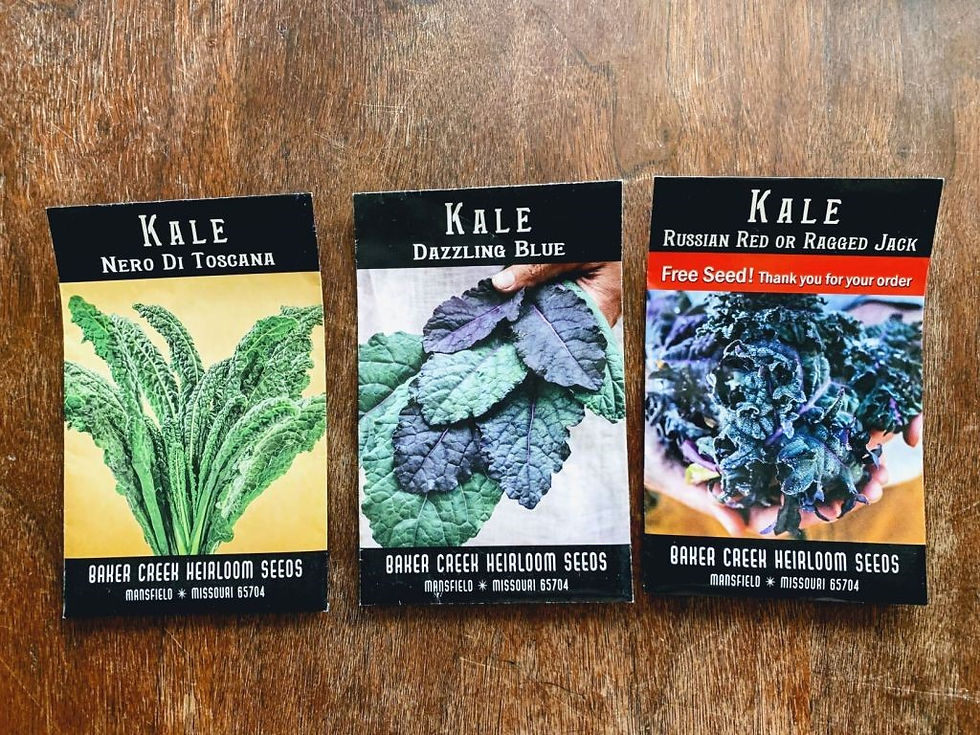
There are some who loathe the texture and taste of kale. I am not one of those people. My love for the once-trendy green comes partly from the Incredible Hulk feeling that kicks in about 30 minutes after I eat a plate of it. There are so many varieties to choose from. This year I’m growing Tuscan, Dazzling Blue, and Russian Red.

Collards
The first year I grew collards in my Englewood garden, I was surprised by how well they did. I rely on the Georgia Southern variety, and the seeds I sow in April continue producing through the first big snow in Colorado. I have used this same packet of seeds since 2018, and they still germinate at almost 100%.
Spinach
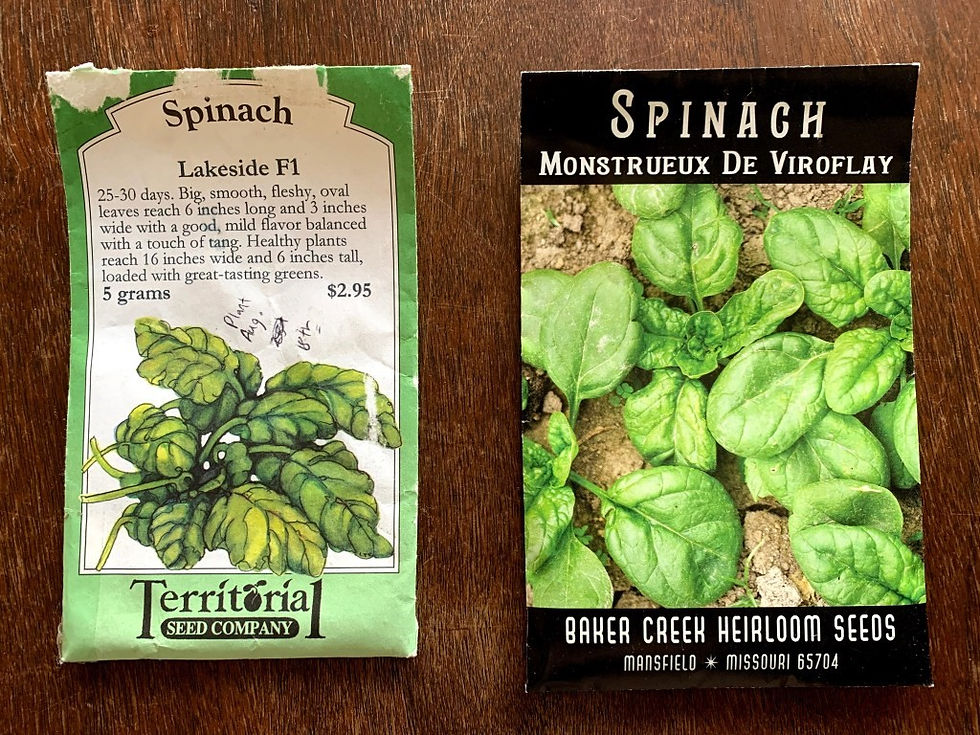
Spinach, you are my first true vegetable love. I grew you in my family garden with my mother as head gardener, and though the season is much shorter for spinach here in Colorado, I’ve found two varieties that thrive in early spring through early summer before bolting, and I’ll be growing Lakeside F1 and Monstrueux de Viroflay again this year.

Bok Choy
I learned so much about delicious ways to prepare greens from my time in living and traveling around southern China and Southeast Asia. Bok choy was my gateway green to a vast variety of greens that I can’t find easily in grocery stores in the U.S. I grow full-size white stem bok choy and also smaller varieties like this purple baby bok choy, which is incredibly tender and packed with anthocyanins that are known as particularly helpful in preventing cancers. I was also intrigued by the description of Hedou Tiny Bok Choy (and photos of these cute little gems) and am trying them for the first time this spring.

Tat Soi
I grew this variety last year. It tastes like a mix between spinach and baby bok choy, is 100% delicious, and is packed with more vitamin C than an orange. That’s a lot of vitamin C.
Swiss Chard
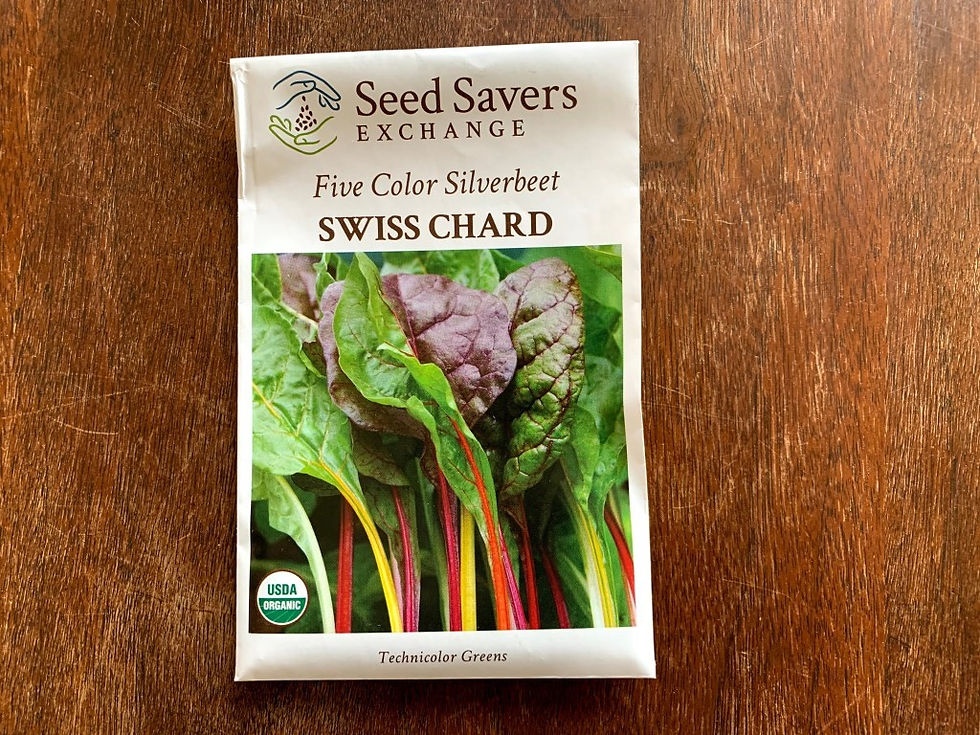
A Portland housemate and dear friend turned me on to chard back in the early 2000s, and I love growing it for its hardiness in the garden and because the rainbow variety is so colorful. It’s a biennial, which means it will die off in the winter and pop up again in the spring so that it can set seed the second year. I love that I can harvest leaves in year two before it goes to greens heaven.
Golden Beet Greens
It’s taken a lot of practice to appreciate beets. I love the deep red-purple of red beets, but I usually have to hold my nose when I eat them because they taste too much like dirt. I found my happy place when I tried roasted golden beets several years ago.
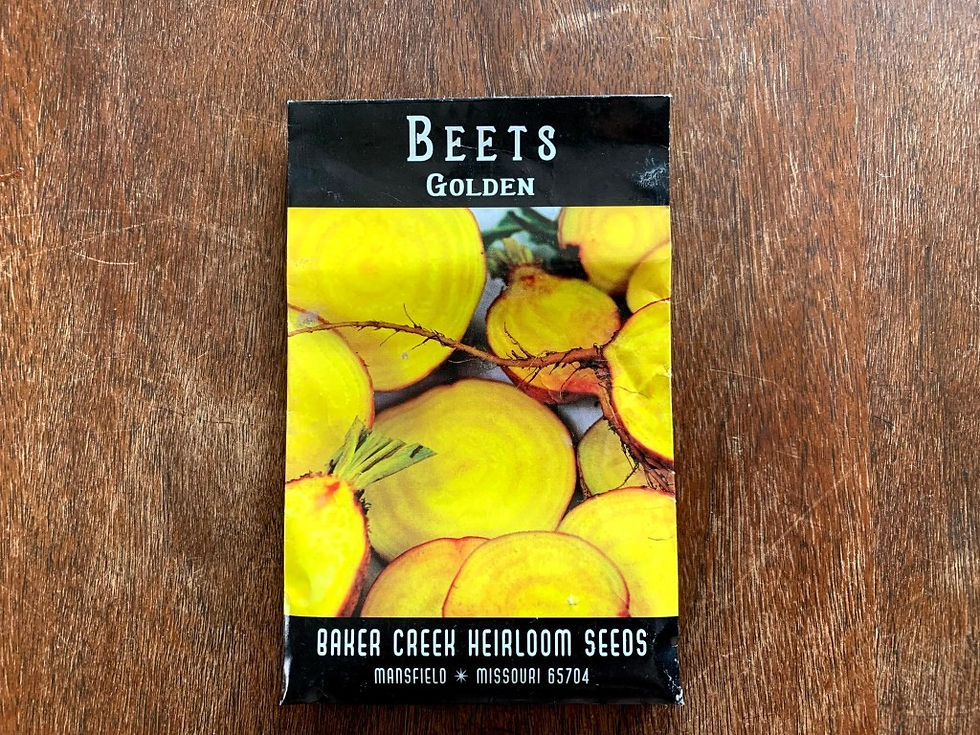
Three years ago I realized I was wasting half of every beet. That was the year I grew golden beets in a garden bed that had a lot more nitrogen then phosphorus in the soil. The beet roots were small, but I had a prolific beet greens harvest. If you haven't tried them, I highly recommend saving beet greens when you harvest and sautéing them in butter, lemon juice and salt and pepper. Hands down one of my “new” favorite ways to get greens into my diet. This Baker Creek variety has been good to me.
Have questions before you get sowing? Ask away in the comments section below, and feel free to reach out privately through my contact form. Happy gardening!